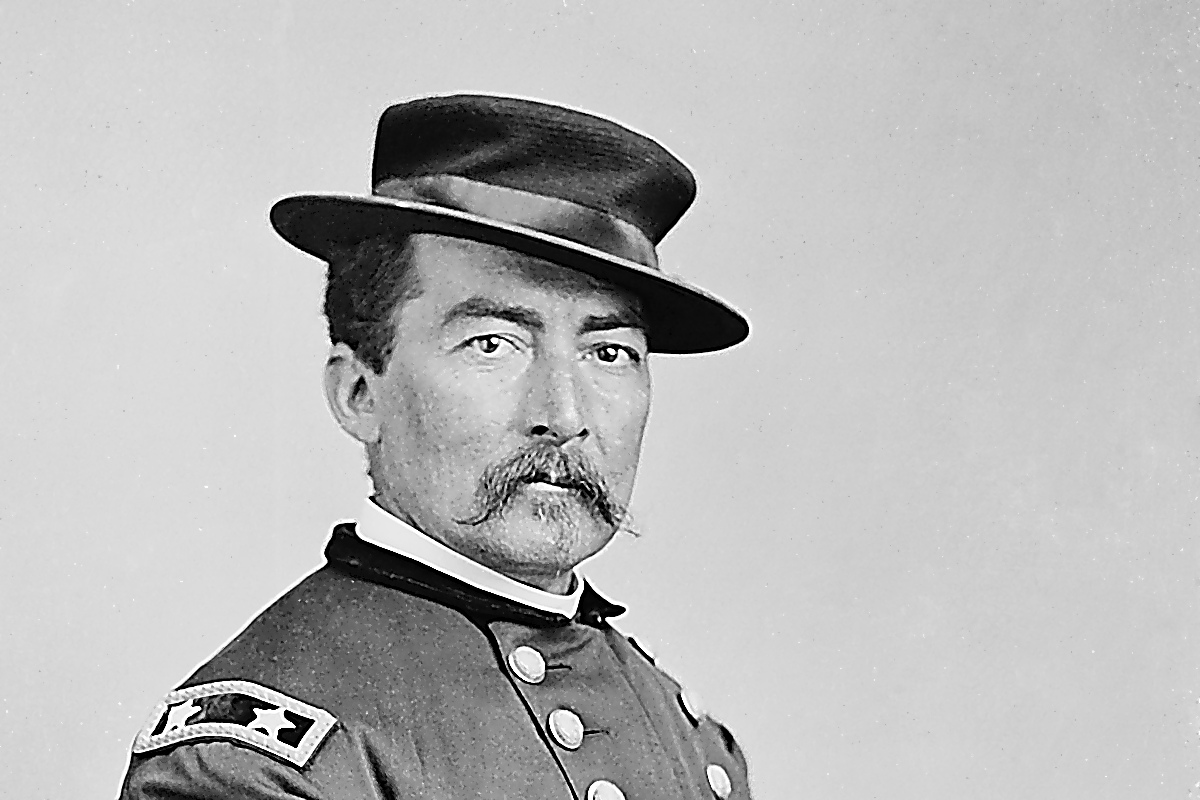
Most short accounts of August 11, 1864, tell it the same way. Jubal Early takes one look at Philip Sheridan's new army, gets nervous, and slips out of Winchester before a fight can start. It reads clean. It is also missing the part where Confederate cavalry and infantry spent much of the day fighting to make that withdrawal possible.
By early August, Early had been operating in the Shenandoah Valley for two months, sent there by Robert E. Lee to pull Union troops away from the siege at Petersburg. It worked. Early pushed north, brushed aside two Federal forces, and reached the outskirts of Washington itself before pulling back into the Valley. Grant had seen enough. On July 31 he chose Philip Sheridan, his cavalry commander from the Army of the Potomac, to take charge of a newly consolidated command and finish the job Union generals kept failing to finish in the Shenandoah.
Sheridan took the field at Harper's Ferry on August 7 and began moving south four days later. On the morning of August 11, Sheridan discovered that Early was already retreating south. He sent his cavalry forward on several roads to get around the Confederate column and cut off its retreat. It nearly worked. Union cavalry under General Wesley Merritt caught up with Early's rear guard near Newtown, and fighting that lasted much of the day followed.
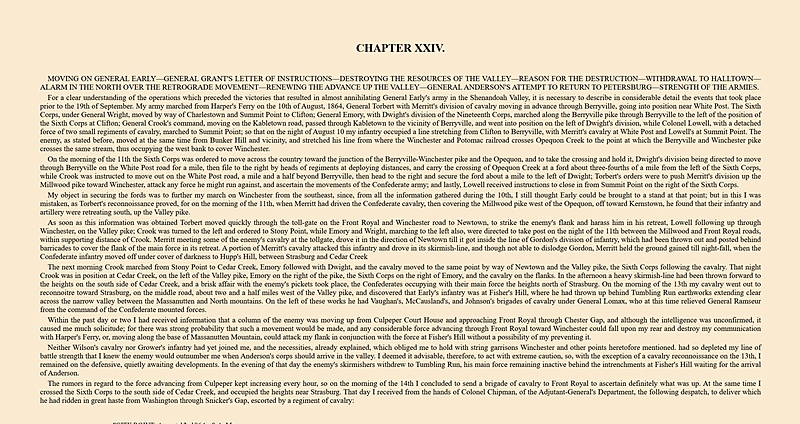
Sheridan's own account of what happened next is direct. Merritt's cavalry first ran into Confederate horsemen near the tollgate and pushed them back toward Newtown, only to run into General John B. Gordon's infantry, posted behind barricades to screen the retreat. Merritt's troopers could not break them. As Sheridan put it, "though not able to dislodge Gordon, Merritt held the ground gained till night-fall," when the Confederates finally pulled back under cover of darkness to Hupp's Hill, between Strasburg and Cedar Creek. That is not a rout. That is a rear guard doing its job well enough to buy an entire army safe passage.
The National Park Service's history of the campaign describes a second, separate action the same day, several miles away at a crossing called Double Toll Gate, where Confederate cavalry and infantry held off a Union column trying to cut the Valley Turnpike. The two accounts agree on the same basic picture: a contested withdrawal, not a panicked flight.
What makes this worth remembering is what came after. Early's successful withdrawal on August 11 helped shape the next several weeks. Sheridan advanced, pulled back, and waited on reinforcements while watching his supply line, moving with a caution that led Early to consider him timid, no better than the Union commanders he had already chased out of the Valley twice that summer. That read on Sheridan held up right until September 19, when he broke it completely at the Third Battle of Winchester and began the campaign that would permanently break the Confederacy's ability to use the Shenandoah Valley as a major military base.
The caution looks different with hindsight. Grant expected Sheridan to defeat Early and destroy the Valley's usefulness to the Confederacy. Sheridan also understood the political stakes: a serious defeat before the November election could damage Lincoln. The fighting on August 11 was an early move in a campaign that would not be decided for another six weeks, and Early's men had more than earned their retreat.
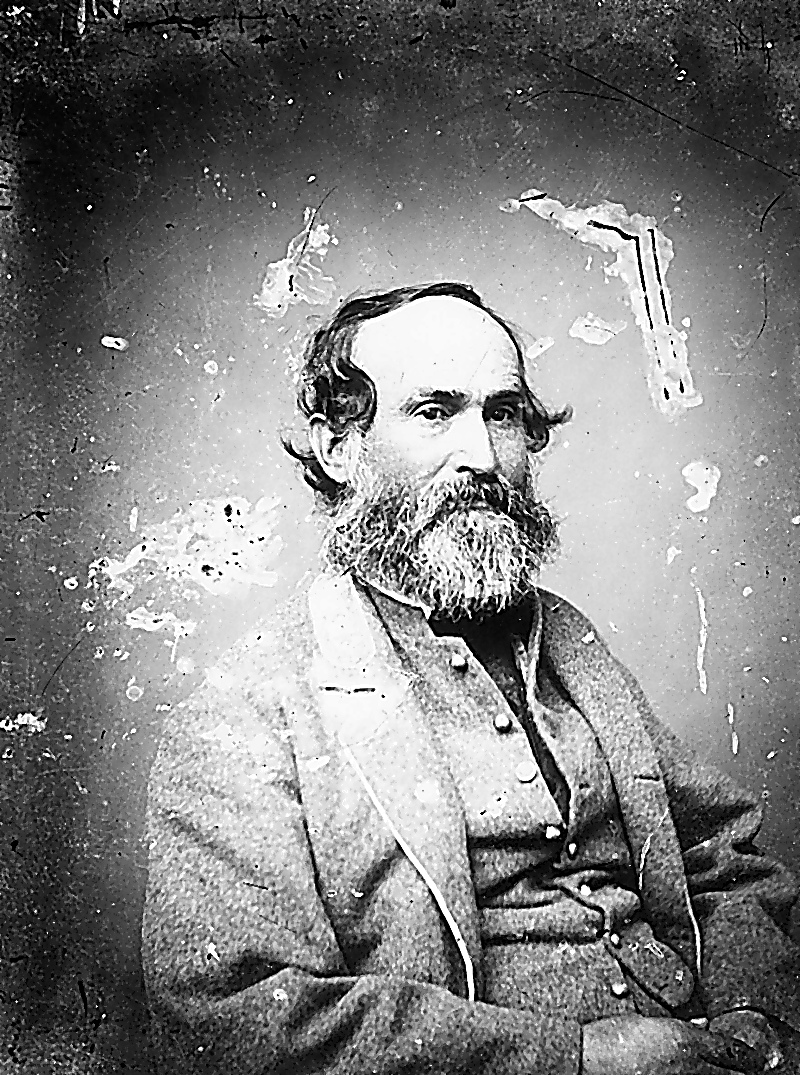 Lt. Gen. Jubal A. Early, whose army withdrew from Winchester under pressure from Sheridan's advancing forces.