
Featured Story
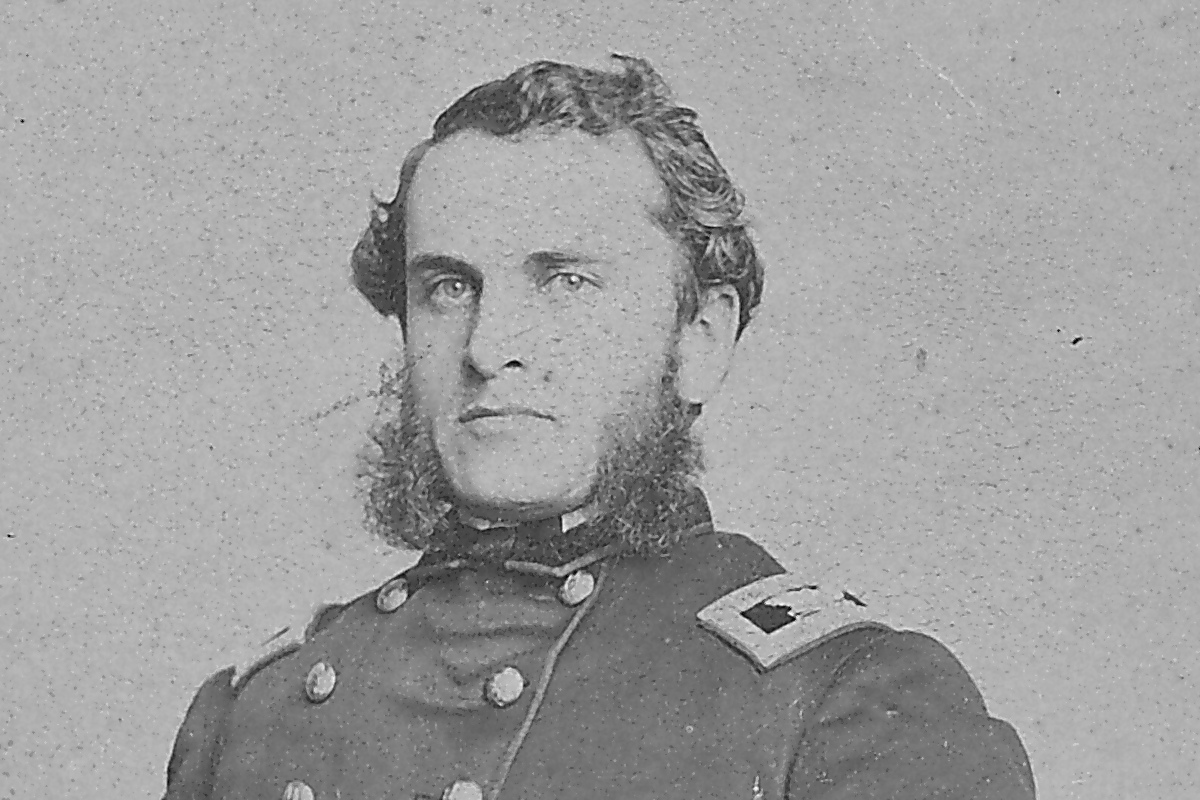
Little Round Top: How the Union Left Was Held
The reports written that summer show how troops reached Little Round Top in time, and they credit different officers with sending them.
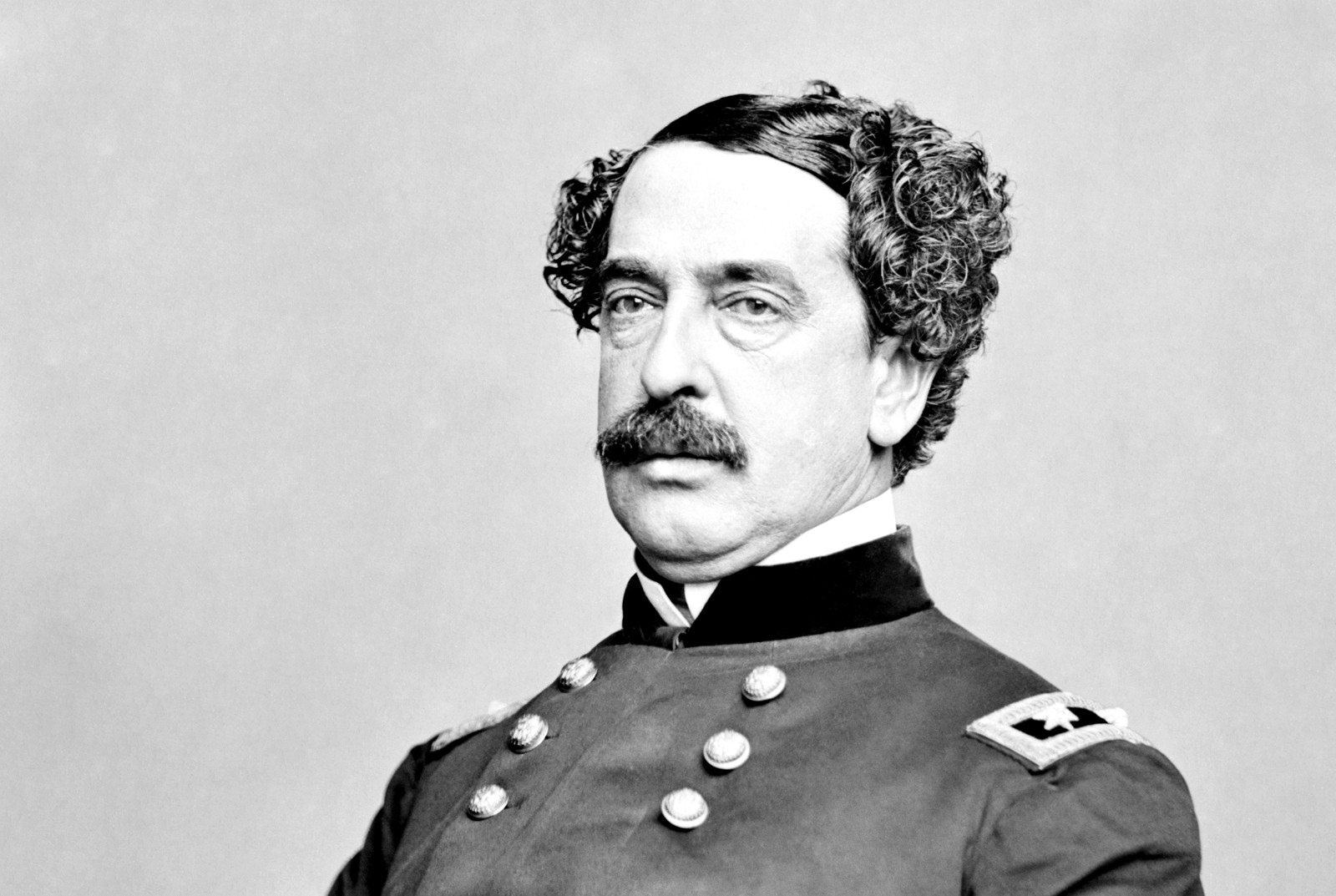
The Collapse: How the First Day at Gettysburg Was Lost
By early afternoon, the ground Buford's cavalry had bought that morning was an infantry line, and it was already changing hands.
Gettysburg · Part 3 of 10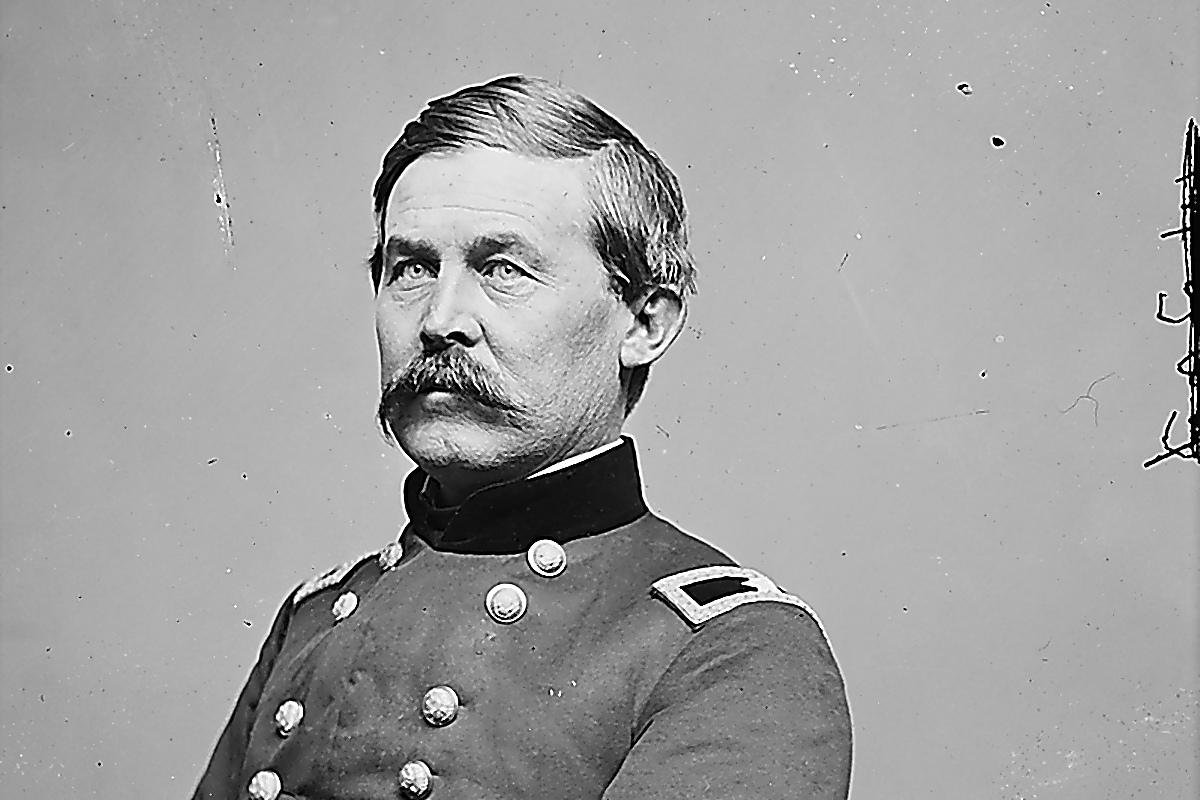
Buford's Stand: How Cavalry Bought Time at Gettysburg
Before Gettysburg was chosen as a battlefield, someone had to hold it long enough for the rest of the army to find out it was worth fighting for. This is the story of the morning that made that choice.
Gettysburg · Part 2 of 10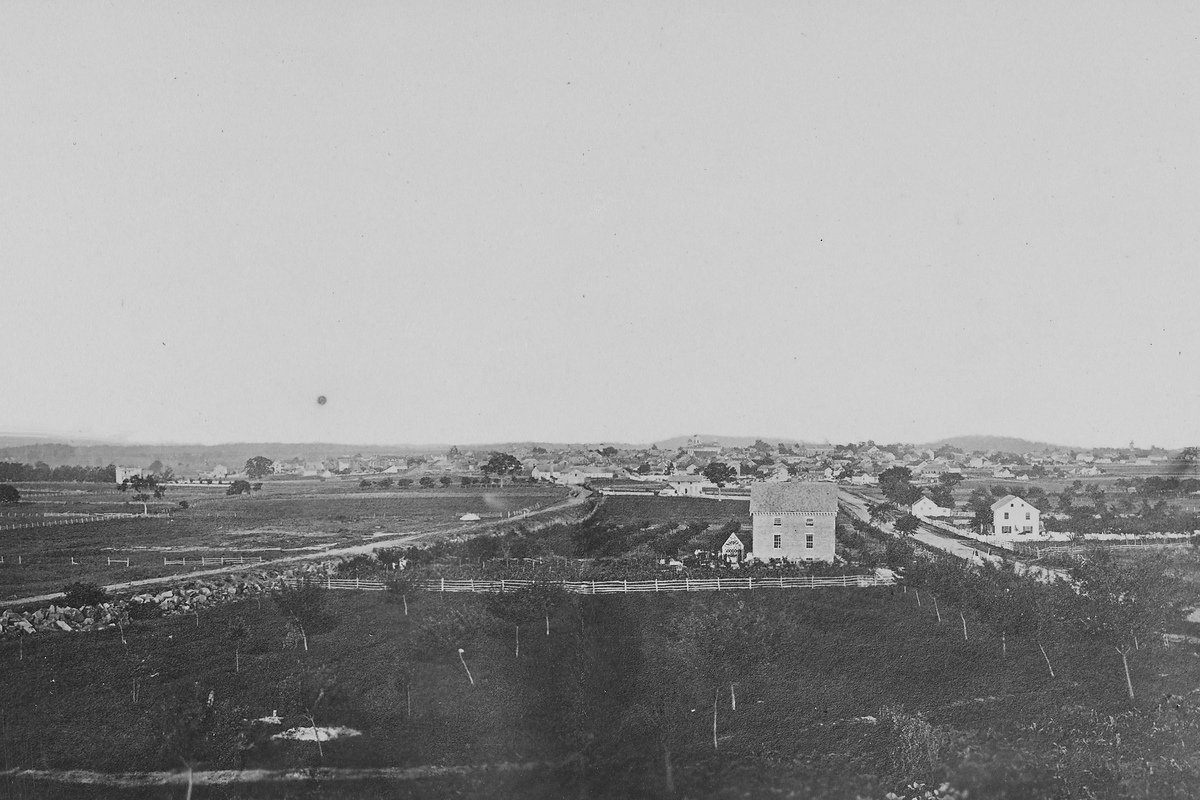
The Road to Gettysburg: How Two Armies Marched North Blind
Before a single shot was fired at Gettysburg, Robert E. Lee made a decision that would cost him reliable intelligence through the opening day of the battle and much of the second. This is how two armies marched north, each working from an incomplete picture of the other.
Gettysburg · Part 1 of 10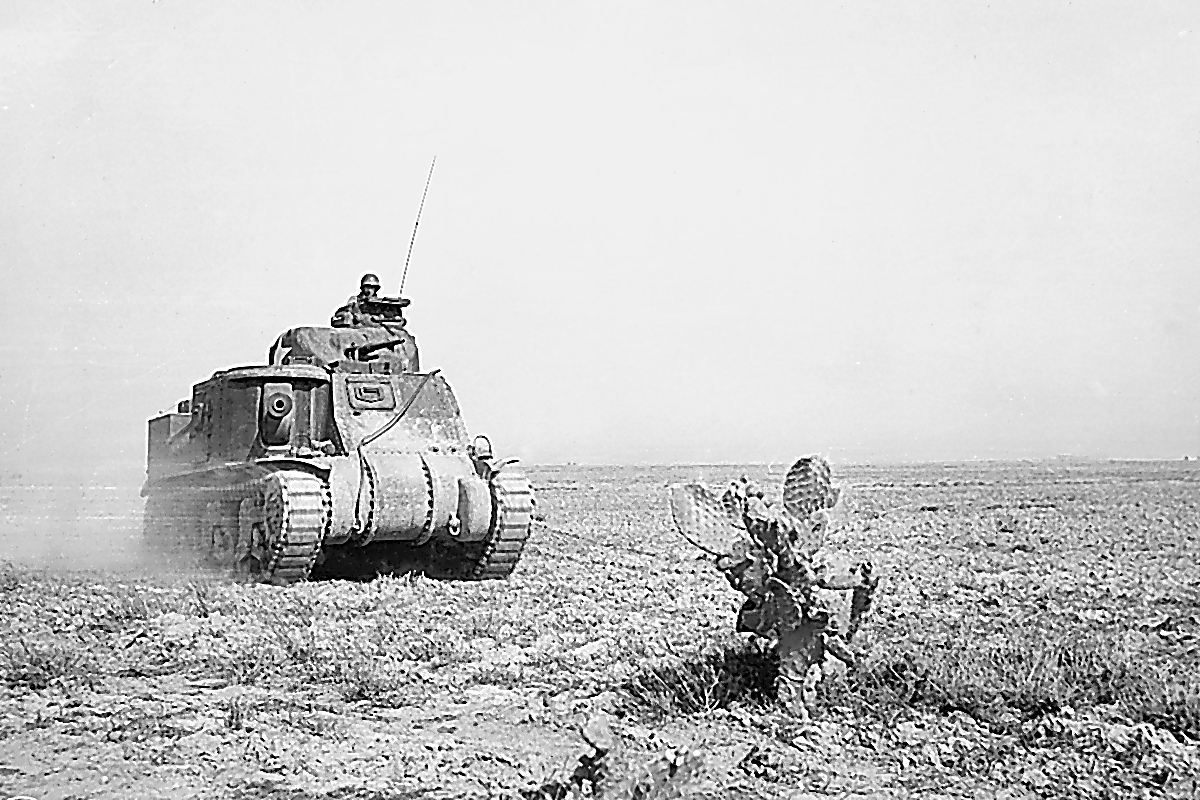
Kasserine Pass Wasn't the Defeat You Were Taught
American troops broke at Kasserine Pass in February 1943, and that part of the story is real. What gets left out is that the Axis operation built on that breakthrough failed anyway.
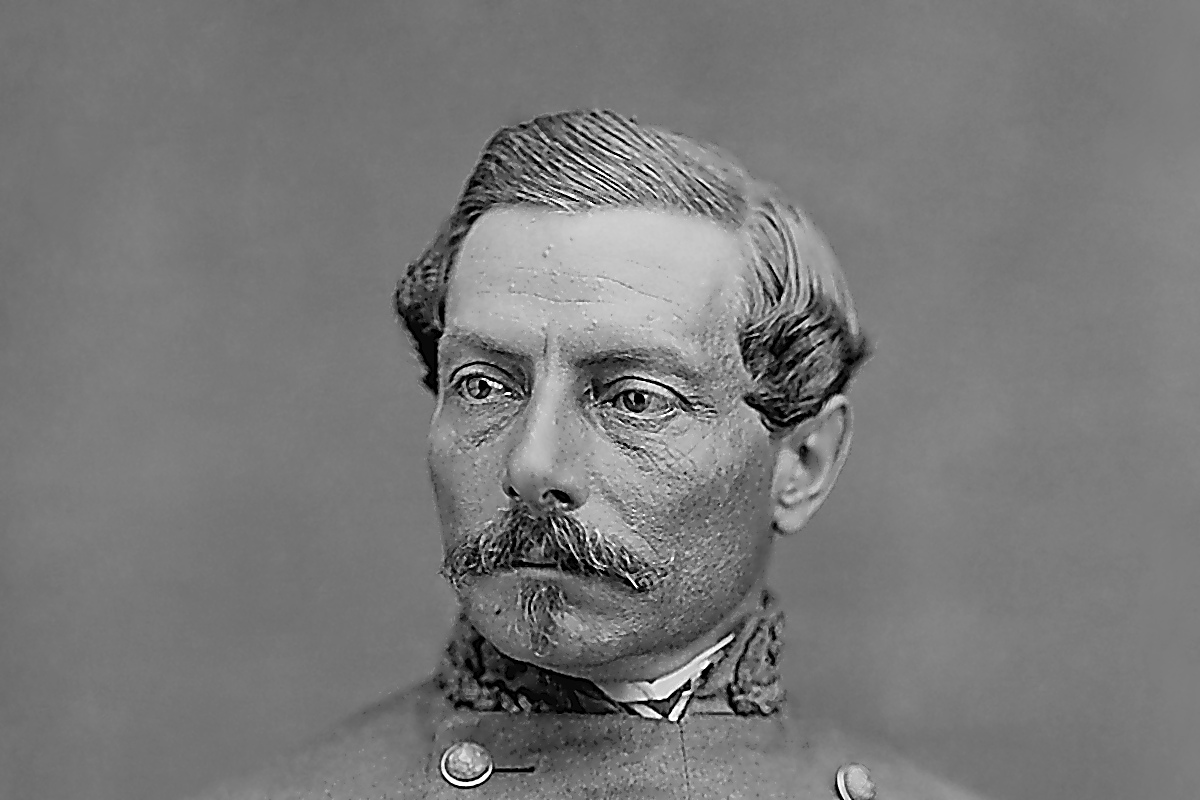
The Hours That Saved Petersburg
For a few hours on the evening of June 15, 1864, a Union general held the key to Petersburg in his hand, and chose to wait until morning. The Confederacy would spend the next nine and a half months paying for those hours.
The Overland Campaign · Part 5 of 5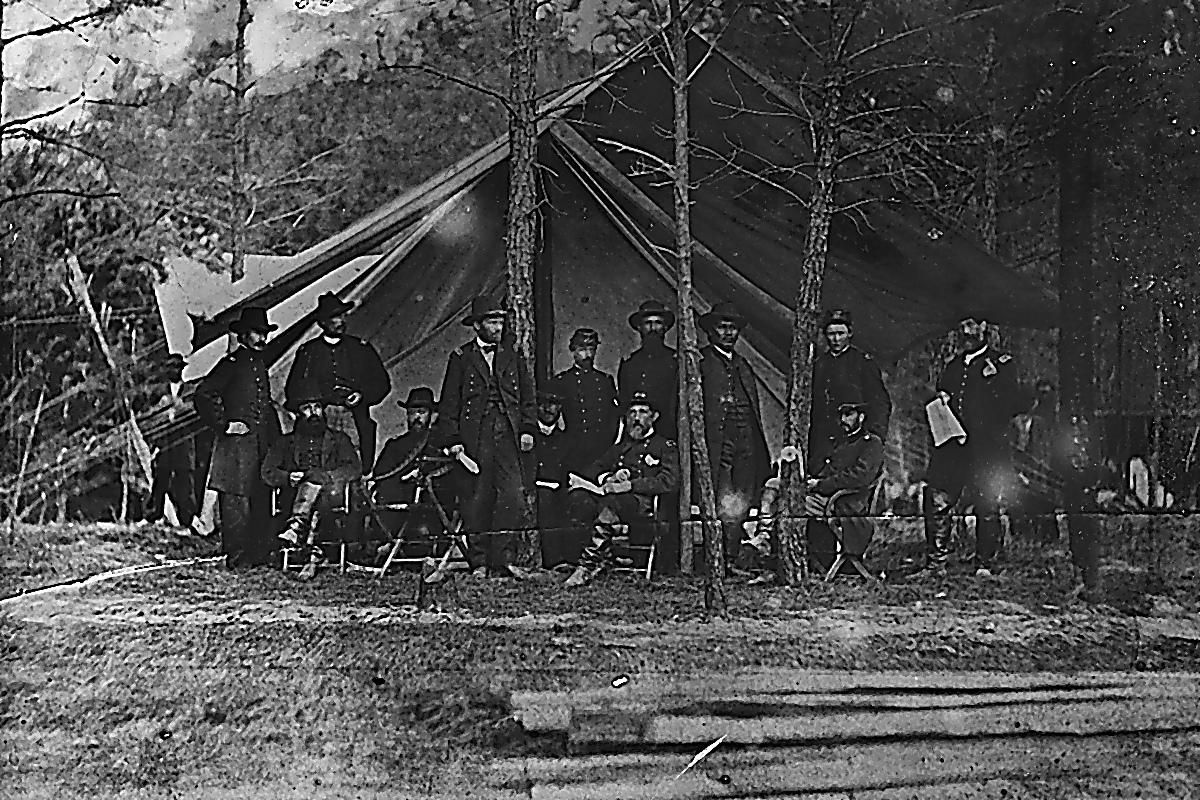
The Seven-Minute Myth at Cold Harbor
Seven thousand men, seven minutes. That's the number everyone repeats about Cold Harbor. The casualties were real. The seven minutes almost certainly weren't.
The Overland Campaign · Part 4 of 5