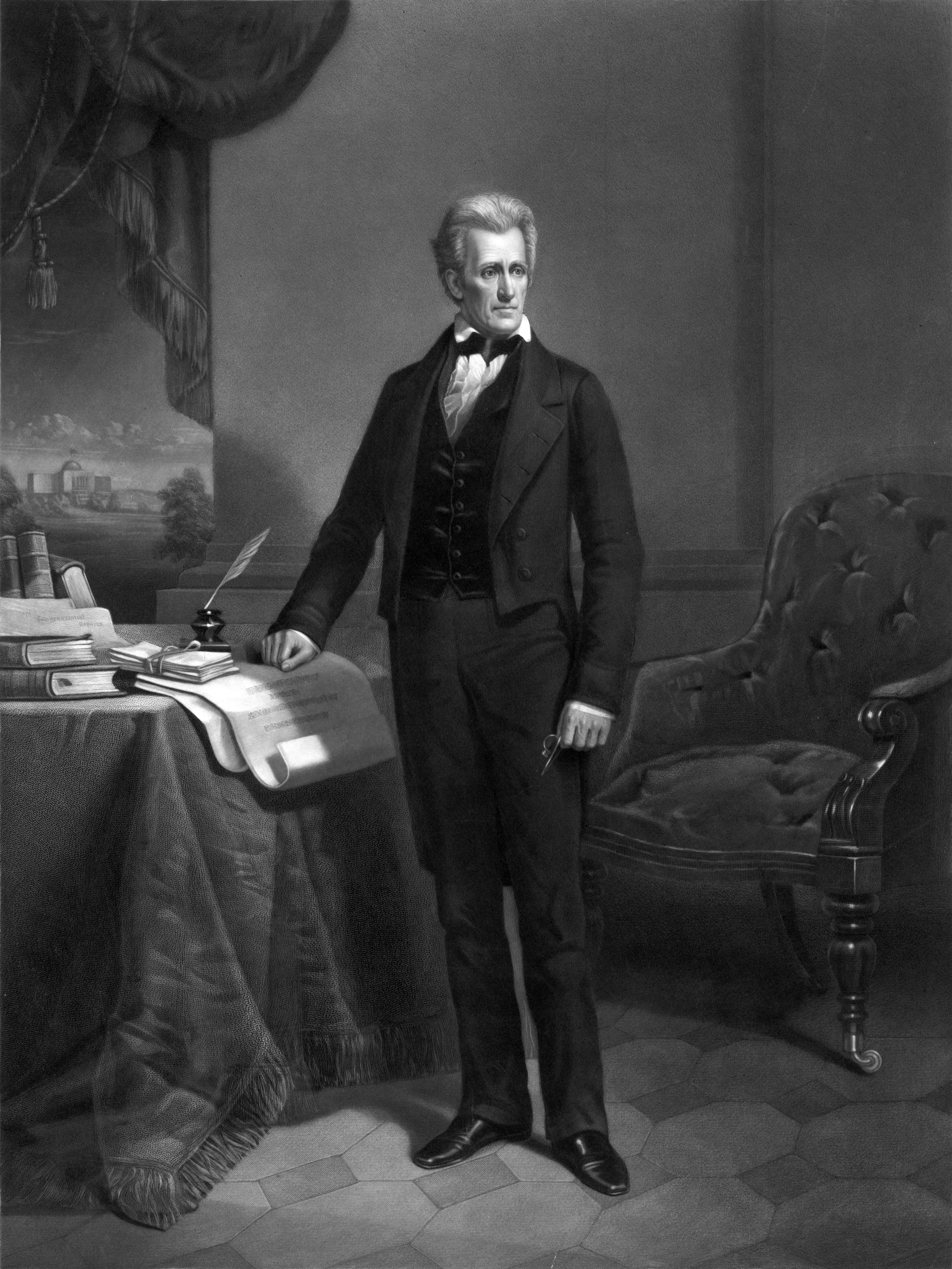
One Law. 15,000 Dead. And The President Who Made It Happen. Andrew Jackson signed the Indian Removal Act into law on May 28, 1830. He called it a wise and humane policy. Within a decade, somewhere between 4,000 and 5,000 Cherokee men, women, and children were dead. That is the story. But the part most people do not know is what came before the signature.
They Did Everything Right For decades before 1830, the United States government had a clear message for Native tribes: assimilate. Adopt our customs, our religion, our language, our laws, and you will be protected. The Cherokee listened. They converted to Christianity. They learned English. They built schools. They adopted a written constitution modeled on the one in Philadelphia. A man named Sequoyah developed a written syllabary for the Cherokee language, one of the only times in recorded history that a non-literate culture developed a writing system from scratch. The Cherokee published their own newspaper, the Cherokee Phoenix. They farmed individual land plots. Some owned property. Some, by the brutal logic of the era, owned enslaved people. By every measure the United States government had set, the Cherokee had complied. It did not matter.
The Vote Jackson had been pushing for removal since his first State of the Union address in 1829. The Indian Removal Act came to Congress in the spring of 1830 and passed, but not by much. The Senate approved it 28 to 19. The House passed it 101 to 97, four votes. Among those who voted no was Davy Crockett, the Tennessee congressman and frontiersman who would die at the Alamo six years later. Crockett called the Act unjust and said it would cost him his political career. He was right on both counts. On May 28, 1830, Jackson signed it into law. The Act authorized the federal government to negotiate treaties exchanging Native land east of the Mississippi for territory to the west. The word "negotiate" did a great deal of work in that sentence.
The Court Said No. Jackson Said No Back. The Cherokee did not accept removal. They fought it in the courts, and in 1832 they won. In Worcester v. Georgia, the United States Supreme Court ruled five to one that the state of Georgia had no authority over Cherokee territory and that federal treaties with the Cherokee were binding. Jackson refused to enforce the ruling. The exact words he used are disputed by historians, but the outcome is not. A sitting president of the United States looked at a Supreme Court decision protecting the Cherokee and declined to act on it. No federal troops moved to defend Cherokee land. No injunction was enforced. The ruling stood on paper and nowhere else.
The Treaty Nobody Agreed To In 1835, a small faction of Cherokee leaders signed the Treaty of New Echota, agreeing to exchange all Cherokee land in the east for territory in present day Oklahoma and a payment of five million dollars. The principal chief of the Cherokee, John Ross, did not sign it. The elected Cherokee government did not authorize it. Roughly 16,000 Cherokee signed a petition to Congress protesting it. Congress ratified the treaty anyway, by a margin of one vote.
The March In the summer of 1838, United States soldiers began rounding up Cherokee families at gunpoint. They were held in stockades while soldiers looted their homes and farms. Then they were marched west. The journey covered roughly 1,000 miles. It ran through the winter of 1838 into 1839. The Cherokee walked through snow without adequate clothing, food, or medicine. Dysentery, whooping cough, and typhus moved through the columns. Between 4,000 and 5,000 Cherokee died. Some estimates run higher. A Georgia soldier who participated in the roundup later wrote that he had fought in the Civil War and considered it the cruelest work he had ever witnessed. The Cherokee called it Nunna daul Tsuny. The trail where they cried. Across all five tribes forcibly removed under the Act, historians estimate the total death toll reached 15,000 people.
What Jackson Left Behind Andrew Jackson served two full terms and left office in 1837, one year before the Trail of Tears march began. He lived until 1845. His face has appeared on the American twenty dollar bill since 1928. In the 21st century, scholars have characterized the Indian Removal Act and the removals that followed as ethnic cleansing, genocide, and settler colonialism. The scholarly debate over which term applies has not settled. The facts of what happened have. One hundred and one congressmen voted yes. One president signed his name. And the people who had done everything asked of them lost everything anyway.
The Indian Removal Act passed the House of Representatives on May 26, 1830, by a margin of four votes. President Jackson signed it two days later. The Cherokee Trail of Tears began eight years after that signature, in the summer of 1838, and claimed thousands of lives before the march ended in the spring of 1839.