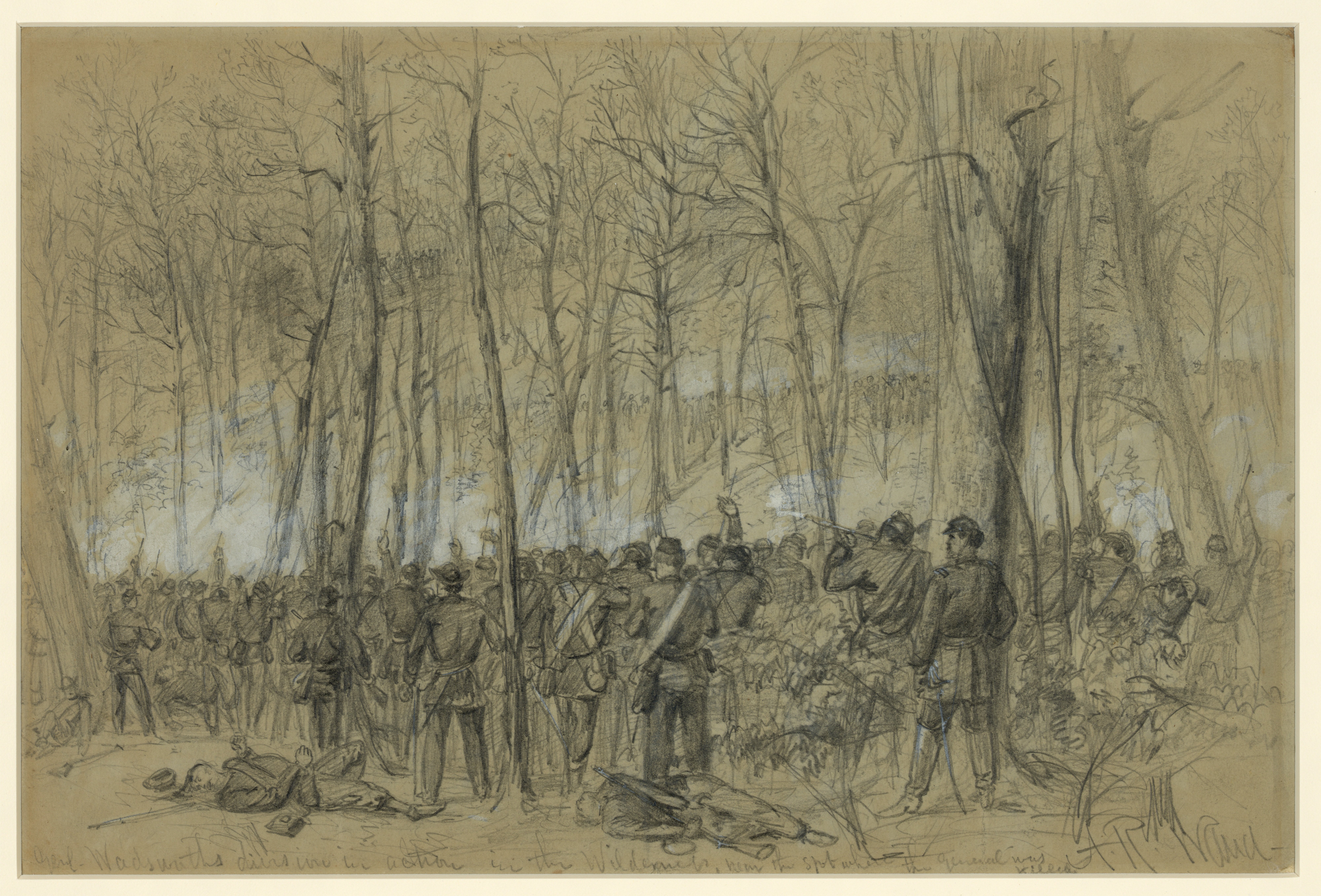
Every Union commander who'd faced Lee in Virginia and come away bloodied had followed the same pattern afterward. Burnside did it after Fredericksburg. Hooker did it after Chancellorsville, in this same stretch of forest, a year almost to the week earlier. Cross back over the river, lick the wounds, wait for next spring. It wasn't cowardice. It had become the Army's pattern. So on the night of May 7, 1864, with the Army of the Potomac having just taken a beating in the Wilderness that rivaled anything it had absorbed in three years of war, there was no reason for the men in the ranks to expect anything different.
Then the head of the column reached the crossroads, and instead of bearing left toward the Rapidan crossings, it bore right, toward Spotsylvania.
Ground that neutralized everything Grant had
Grant's plan on crossing the Rapidan on May 4 was never to avoid Lee, it was the opposite. His written instructions to Meade left no ambiguity: Lee's army was the objective point, and wherever Lee went, the Army of the Potomac followed. What Grant wanted to avoid was fighting Lee inside the Wilderness itself, that tangle of second-growth scrub and cutover timber west of Chancellorsville where Hooker had been undone the year before. He wanted through it, into open ground where his numbers and his artillery could actually be brought to bear. Lee had other ideas, moving Ewell and Hill east along the Turnpike and Plank Road to intercept Grant before he could clear the forest.
It worked exactly the way Lee needed it to. Modern scholarship, Rhea in particular, has pushed back on the old image of the Wilderness as some kind of primeval hellscape: it was really a patchwork of thicket, scrub, and old clearings, not uniformly impenetrable. But patchwork was more than enough. Warren's V Corps went in against Ewell at Saunders Field and lost formation within minutes. Regiments fired at muzzle flash because that was the only thing anyone could see. Brigade commanders lost their own flanks in the brush, Alexander Webb among them, who by his own account afterward never fully worked out where his brigade was supposed to be once it went into the trees. On May 6, Longstreet took a bullet from his own men on the Plank Road, within a few miles of the exact spot where Jackson had gone down the same way almost exactly a year before.
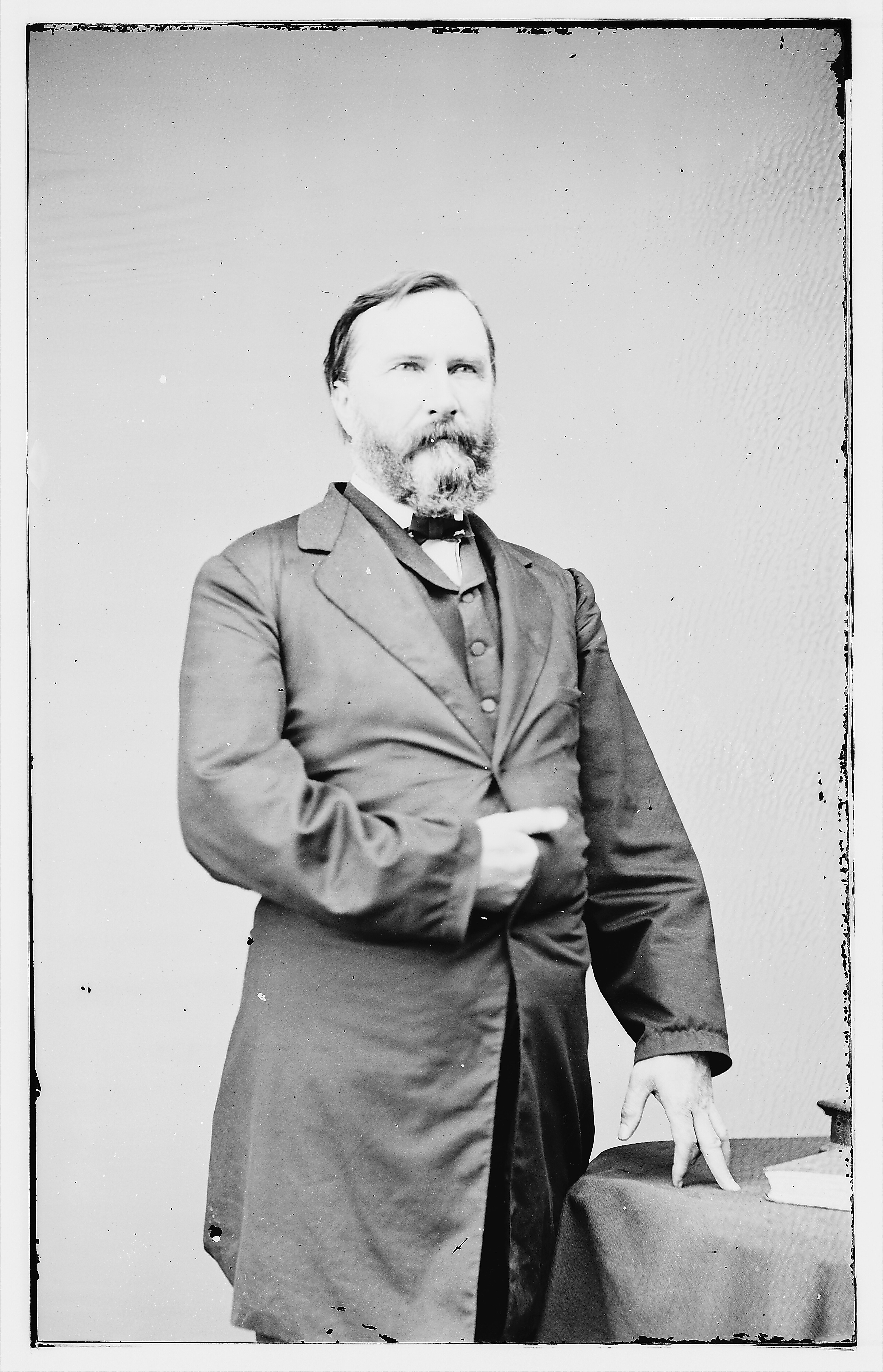 Confederate general James Longstreet, wounded by his own men on the Plank Road, May 6, 1864. (Library of Congress)
The fires
What happened to the men who went down and couldn't crawl out was almost as terrible as the fighting itself. Musket fire and shellfire lit the dry leaf litter on May 5 and 6, and the fires moved through the underbrush faster than wounded men could drag themselves clear of it. Horace Porter, on Grant's staff, wrote afterward of ammunition trains cooking off and the dead burning where they'd fallen, of wounded men working themselves forward on shattered limbs trying to outrun flame that outran them. It's the detail most retellings leave out.
By the close of fighting on the 6th, Union losses ran to roughly 18,000. Confederate returns were never fully compiled, a lot of regiments simply didn't file complete numbers, but the commonly cited estimate runs around 11,000, and by some estimates, as many as one in six of Lee's soldiers who entered the forest was a casualty by the time the fighting stopped that night. Two days, tens of thousands of men down, and neither side had broken the other's line. Tactically it was exactly the kind of costly draw that had sent every Army of the Potomac commander before Grant back across the river.
The crossroads
Grant had already decided otherwise. On May 6, in the middle of the fighting, he'd handed New York Tribune correspondent Henry Wing a message to carry back to Washington for Lincoln: whatever happened, there would be no turning back. The soldiers marching that night had no way of knowing that. Grant's mind was made up. Theirs wasn't, not until the column actually reached the fork and kept going south.
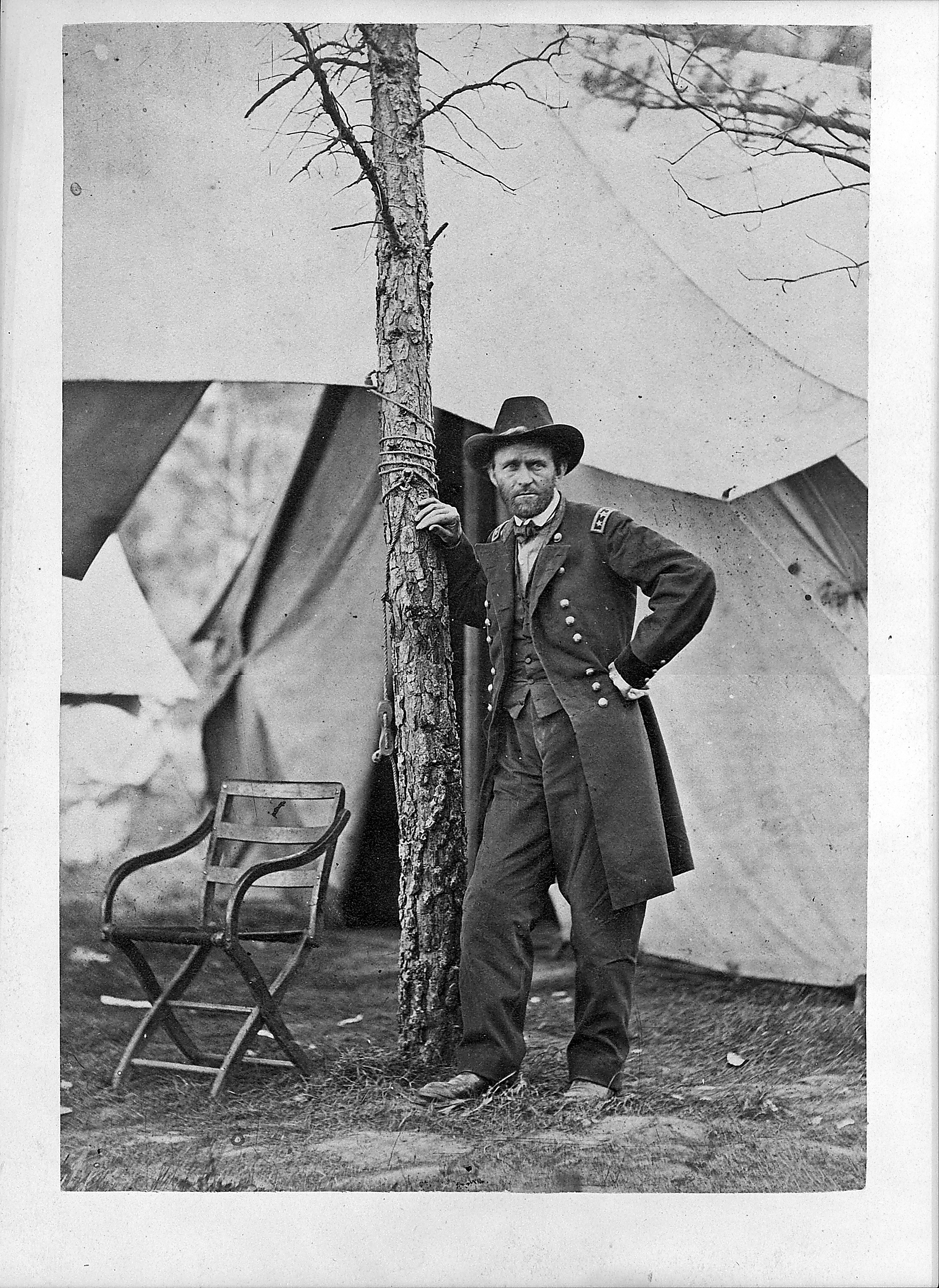 Grant at his headquarters near Cold Harbor, Virginia, weeks after the Wilderness, during the same Overland Campaign. (Library of Congress)
Morris Schaff, a Union ordnance officer marching with the column that night, watched it happen in real time. "The head of Warren's column has reached the Brock Road, and is turning south," he wrote. "At once the men catch what it means. Oh, the Old Army of the Potomac is not retreating! and in the dusky light, as Grant and Meade pass by, they give them high, ringing cheers." Word moved down the ranks the way it does, faster than any order could have traveled, men who'd spent three years reading "bloody draw" as a synonym for "retreat" suddenly understanding they were watching something else happen.
Why the draw mattered more than a win would have
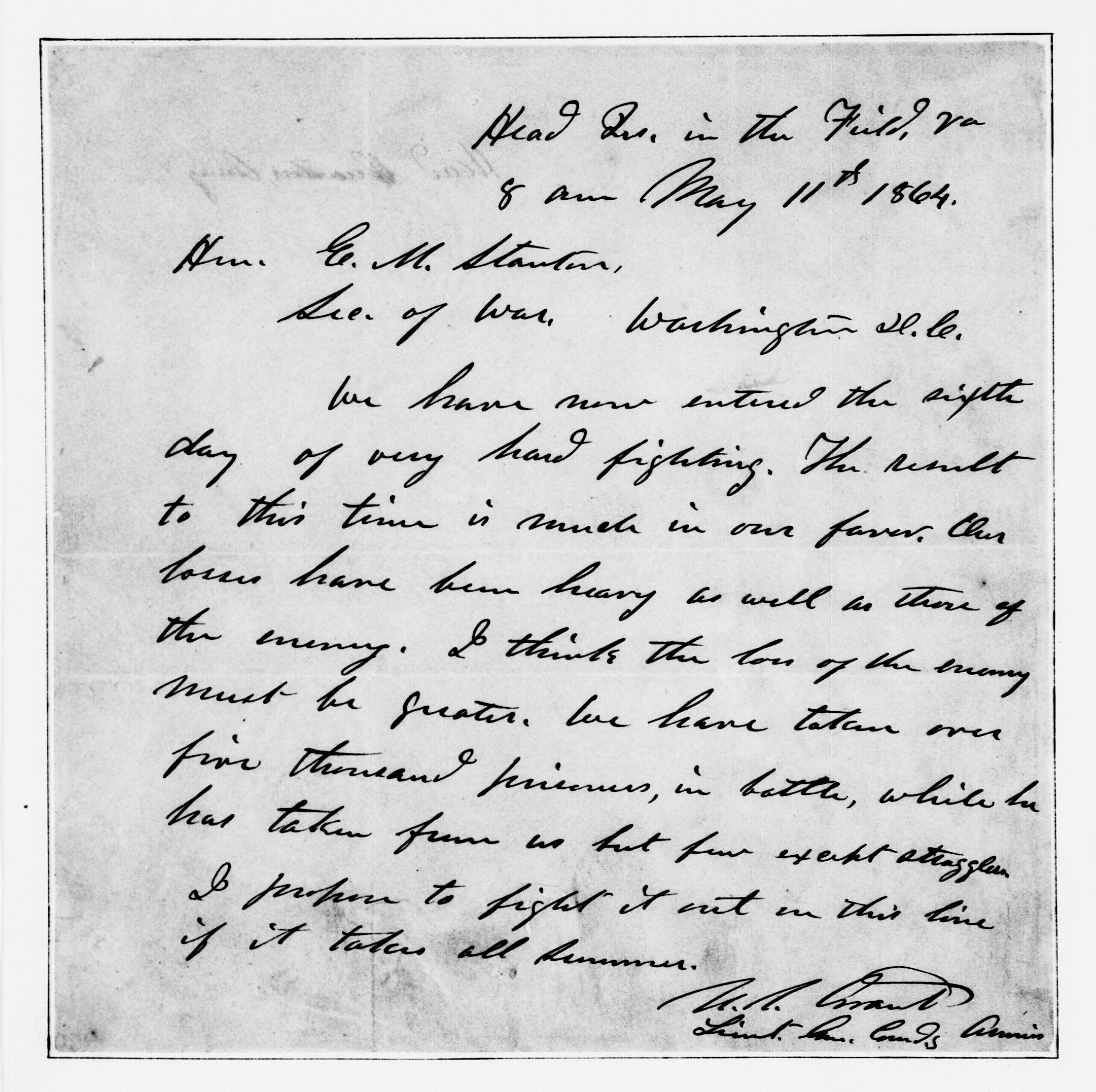
Nobody should mistake the Wilderness for a Union victory. Lee's army had held its ground, and Grant had suffered enormous losses. But the battle told Lee something he hadn't had to reckon with in three years against this army: bloodying it wasn't going to be enough anymore. Days later, dug in at Spotsylvania and still refusing to break contact, Grant put his resolve in writing to Washington: he proposed to fight it out on that line if it took all summer. The line made the Northern papers within the week. Longstreet, recovering from the wound that nearly killed him, had already told Lee before the campaign opened what kind of opponent this one was going to be, a man who'd fight every day and every hour till the end of the war. The Wilderness was the proof of concept.
Eleven months of continuous contact followed it, Spotsylvania, North Anna, Cold Harbor, the crossing of the James, the opening lines at Petersburg, until Lee's army, starving and worn down, surrendered at Appomattox. The Wilderness didn't win that campaign for Grant, and it didn't cost Lee the war outright. What it did was end Lee's ability to count on the one thing that had worked against every Union commander who came before him: that a bloody battle would send the Army of the Potomac home.