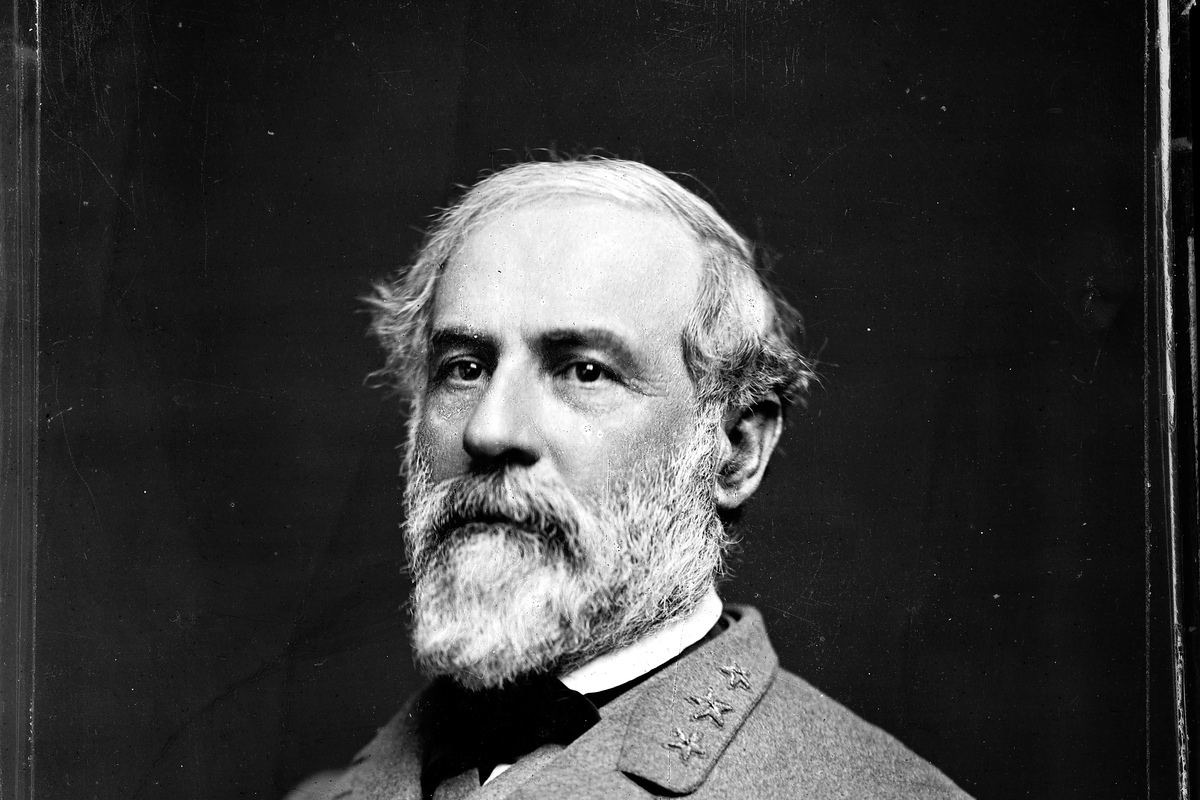
Historians argue for decades about whether Lee's health cost him at Gettysburg. The evidence there is circumstantial, tangled up with Stuart's absence, Ewell's caution, Longstreet's slow start. Reasonable people disagree.
North Anna is different. Lee's own aide watched it happen. He misjudged a Union crossing while too sick to sit a horse. He built the most promising defensive trap of the campaign anyway. And when the moment came to exploit it, he couldn't get out of his cot.
The race south
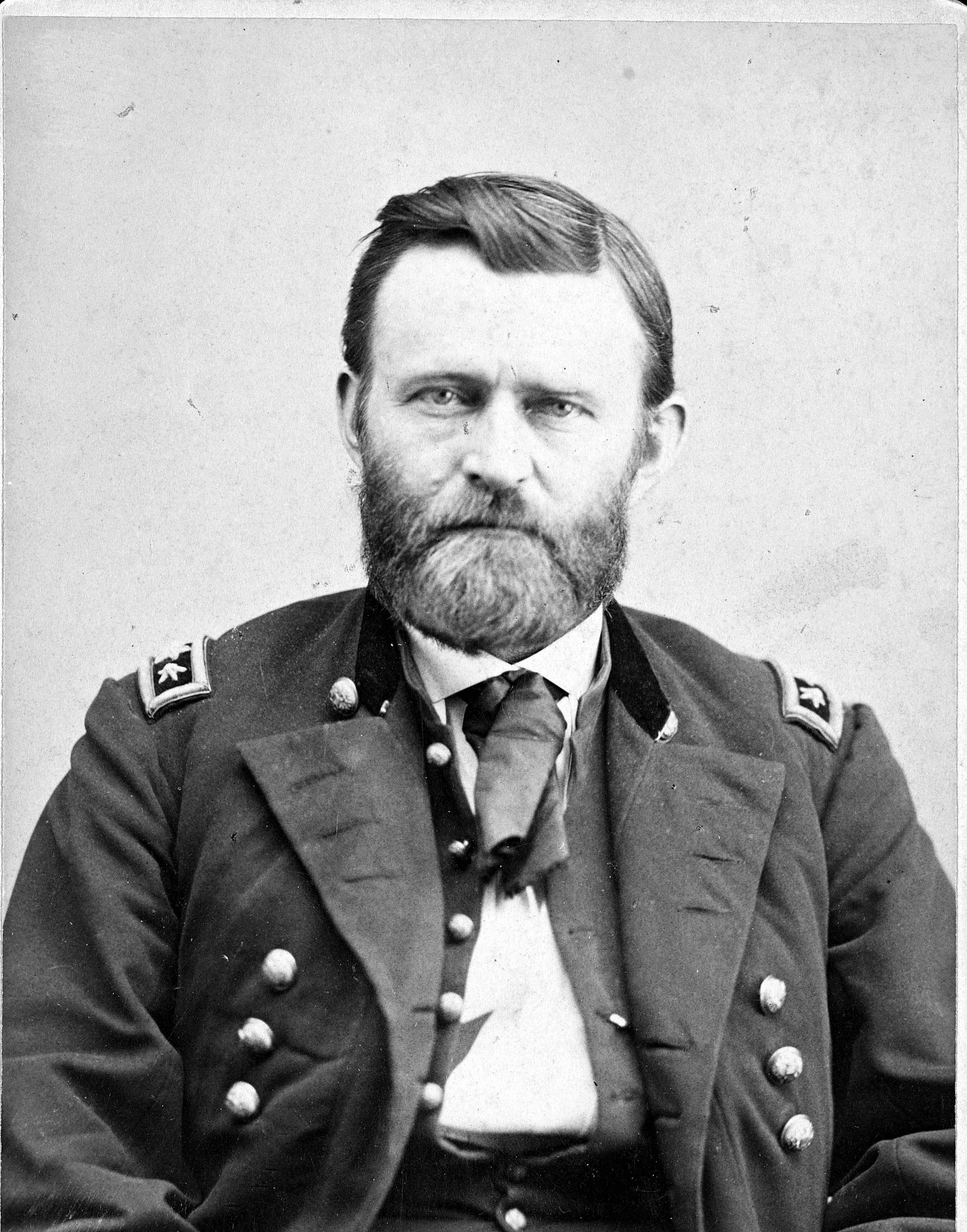 Ulysses S. Grant, 1864, the year he took command of all Union armies and began the Overland Campaign.
After twenty hours of hand-to-hand fighting at the Bloody Angle failed to break Lee's line, Grant did what he'd done after the Wilderness: he disengaged and slid southeast, forcing Lee to match him. Both armies raced for the North Anna River. Lee's men got there first and started digging in on the south bank.
Already unwell, and a bad call
By May 23, Lee had been fighting a rising intestinal illness for days. Too weary and sick to mount a horse, he had to take a carriage out to look at Union troops working near what would become Jericho Mill. He decided what he was seeing was a diversion: "this is nothing but a feint; the enemy is preparing to cross below." A.P. Hill's corps, responsible for that stretch of river, did not move to contest the crossing. Warren's V Corps got across with relatively little resistance.
Henagan's Redoubt
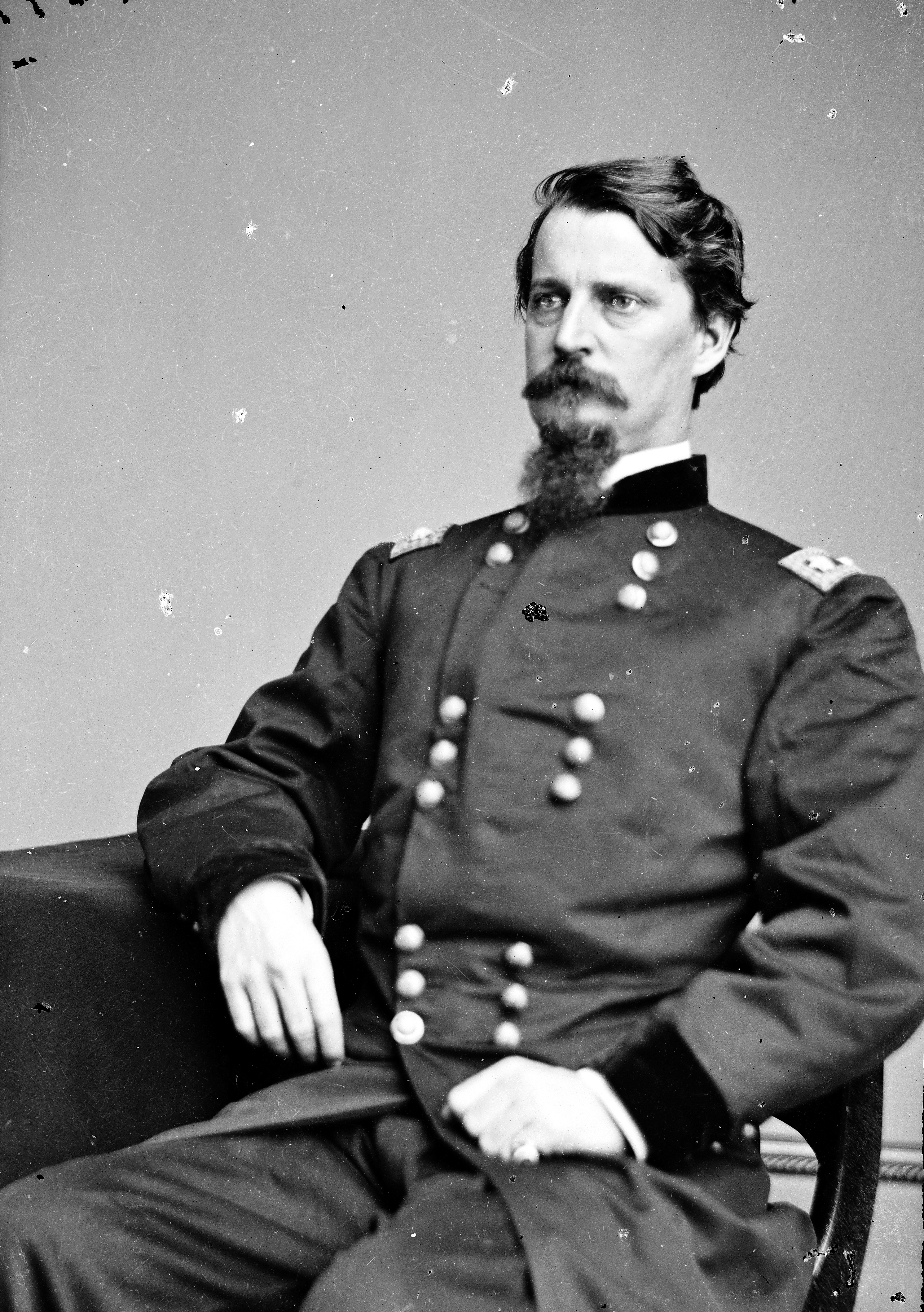 Major General Winfield Scott Hancock, whose II Corps carried Henagan's Redoubt on May 23.
While that was unfolding upstream, Hancock's II Corps pushed down the Telegraph Road toward Chesterfield Bridge and ran into a small Confederate earthwork held by Colonel John Henagan's South Carolinians. With no scaling ladders, Union sergeants improvised: one soldier leaned against the wall so a comrade could climb his back and plant the colors on the parapet, and another company boosted a man up on bayonets jammed into the earthen face. The redoubt fell in minutes. Around two hundred Confederates were killed, wounded, or captured, and the bridge was in Union hands by nightfall.
Jericho Mill, and Hill's failure
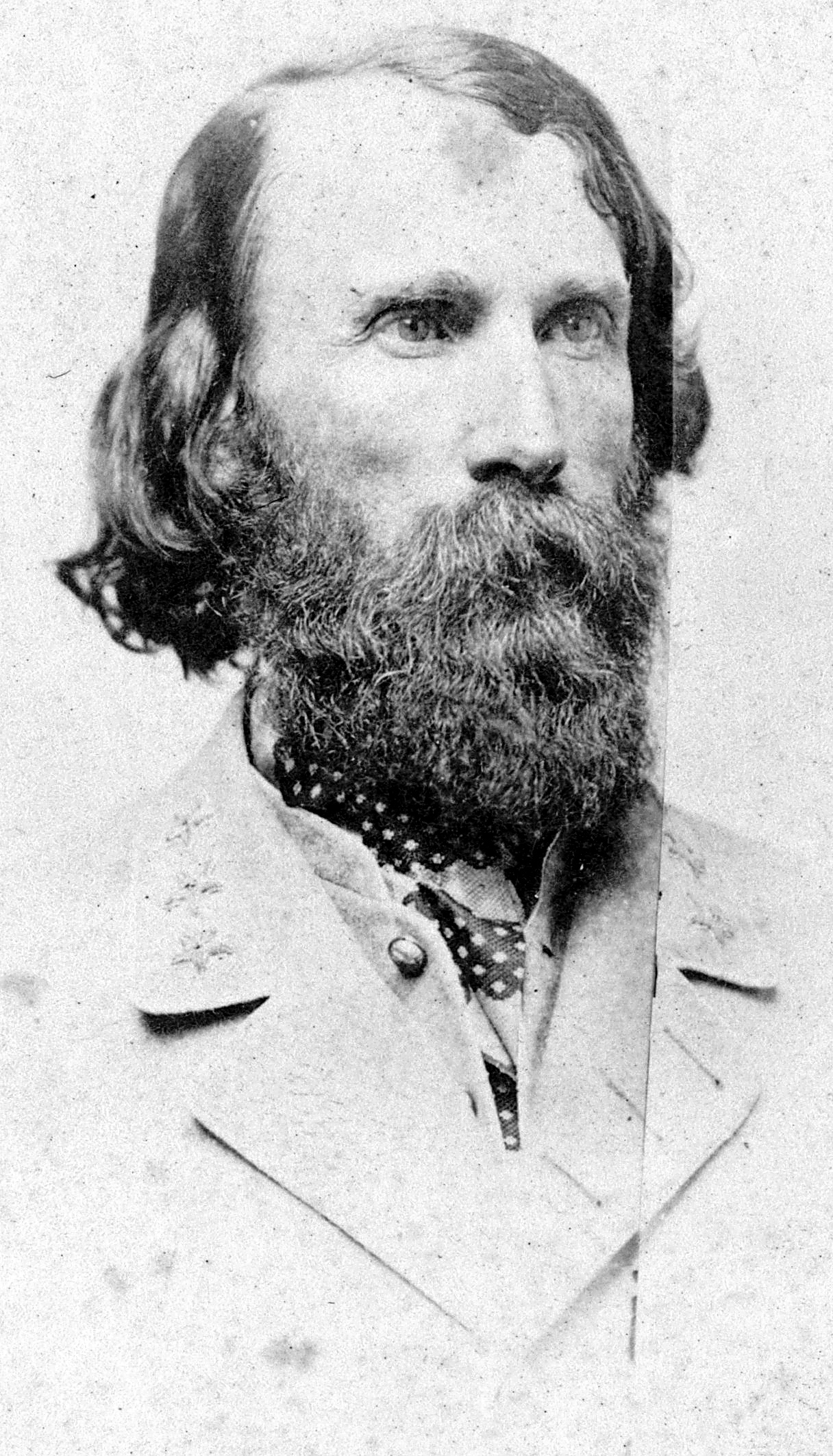 Lieutenant General A.P. Hill, whose III Corps mishandled the fighting at Jericho Mill on May 23.
Five miles upstream, Warren's corps waded across and started building a pontoon bridge. By late afternoon Hill saw a chance to hit an isolated slice of the Union army and sent Cadmus Wilcox's division in. The attack briefly worked. Edward Thomas's Georgia brigade broke part of the famous Iron Brigade so badly that a veteran later joked they'd become the "I Run Brigade." But the Confederate attack came apart the same way, as separated regiments outran their supports. Union reinforcements caught an exposed South Carolina regiment in the gap, broke it, and captured its commanding colonel. The fighting continued until after dark, when a thunderstorm ended the action. Warren held the south bank.
Lee's temper snaps, then the trap goes up
The Jericho Mill fight left Lee furious with Hill. "General Hill, why did you let those people cross here?" he demanded the next morning, and pressed him on why he hadn't thrown his whole force at Warren. It was the kind of rebuke Lee rarely delivered in public, and it says something about how thin his patience already was.
That night, Lee and his engineers, led by Martin L. Smith, laid out a new defensive line shaped like an inverted V, its point anchored at Ox Ford. It wasn't just a strong position. It was built to let Grant cross the river in two places, then let Lee shift troops on the shorter interior lines against one Union wing before the other could cross the winding river twice to help.
Grant walks into it
By May 24, Grant's army sat divided just as Lee had hoped. Two days later, Grant's own dispatch to Washington described the problem plainly: Hancock and part of Burnside's IX Corps were on Lee's right, another IX Corps division was stuck north of the river at Ox Ford, and Warren's and Wright's corps plus the rest of Burnside's men were on Lee's left. Any direct attack across those lines, Grant wrote, would cost more than it could gain.
Hancock's corps was sitting alone on Lee's side of the river, without an easy way for the rest of the army to reach it.
Ledlie's folly
Both sides fumbled a chance at Ox Ford that day. On the Union side, an ambitious and reportedly drunk brigade commander named James Ledlie pushed his men into an unsupported charge against the strongest part of Lee's line before he had orders to attack, and the attack was shredded by Confederate fire and canister. It cost Union lives for nothing and would foreshadow Ledlie's much larger disaster at the Crater two months later.
No one could strike the blow
The Union side's mistake mattered far less than the Confederate one. By the early afternoon of the 24th, Lee was too sick to leave his cot. His aide Colonel Charles Venable later recalled him, confined to his tent, repeatedly saying: "We must strike them a blow." No subordinate was positioned, trusted, and capable of launching that kind of offensive in his place. Jackson was dead. Longstreet was still recovering from being shot by his own men in the Wilderness ten days earlier. Ewell was also in poor health, and Lee was already considering changes to his senior command. Hill had just mishandled Jericho Mill. Richard Anderson, only three weeks into corps command, had little experience directing an operation on that scale.
It's worth saying plainly that even a healthy Lee would have faced a hard fight. Hancock's men entrenched almost as soon as they crossed, and Lee's own army was exhausted and thinned out after three straight weeks of fighting from the Wilderness through Spotsylvania. What the record supports is that Lee's illness kept the Army of Northern Virginia from even attempting the blow, not that the blow was guaranteed to succeed.
Grant pulls back
Grant found the danger himself on the evening of the 24th and dug his scattered corps in. He spent the 25th probing and concluding Lee's position was too strong to attack directly. On May 26, from Quarles' Mills, he formally told Washington that attacking from either wing would cause a slaughter their men could not justify, and laid out his plan to turn Lee's right instead. The Union withdrawal began that night, and by the 27th the Confederates discovered the Federals were gone.
Why this one is different
The battle was officially inconclusive, not a clean Confederate win. But what matters is what didn't happen: the army that had built a real opportunity to cripple part of Grant's force never struck. Some historians have pointed to North Anna as the clearest case where Lee's declining health directly changed a battle's course, in contrast to the murkier, more debated influence of his condition at Gettysburg the year before. Lee's illness didn't lose North Anna outright. It kept him from turning his best opportunity of the Overland Campaign into something more.
One Union artillery private, marching away from the North Anna toward whatever came next, later remembered the mood: they marched steadily and joyfully to our doom. Cold Harbor was still ahead of them.